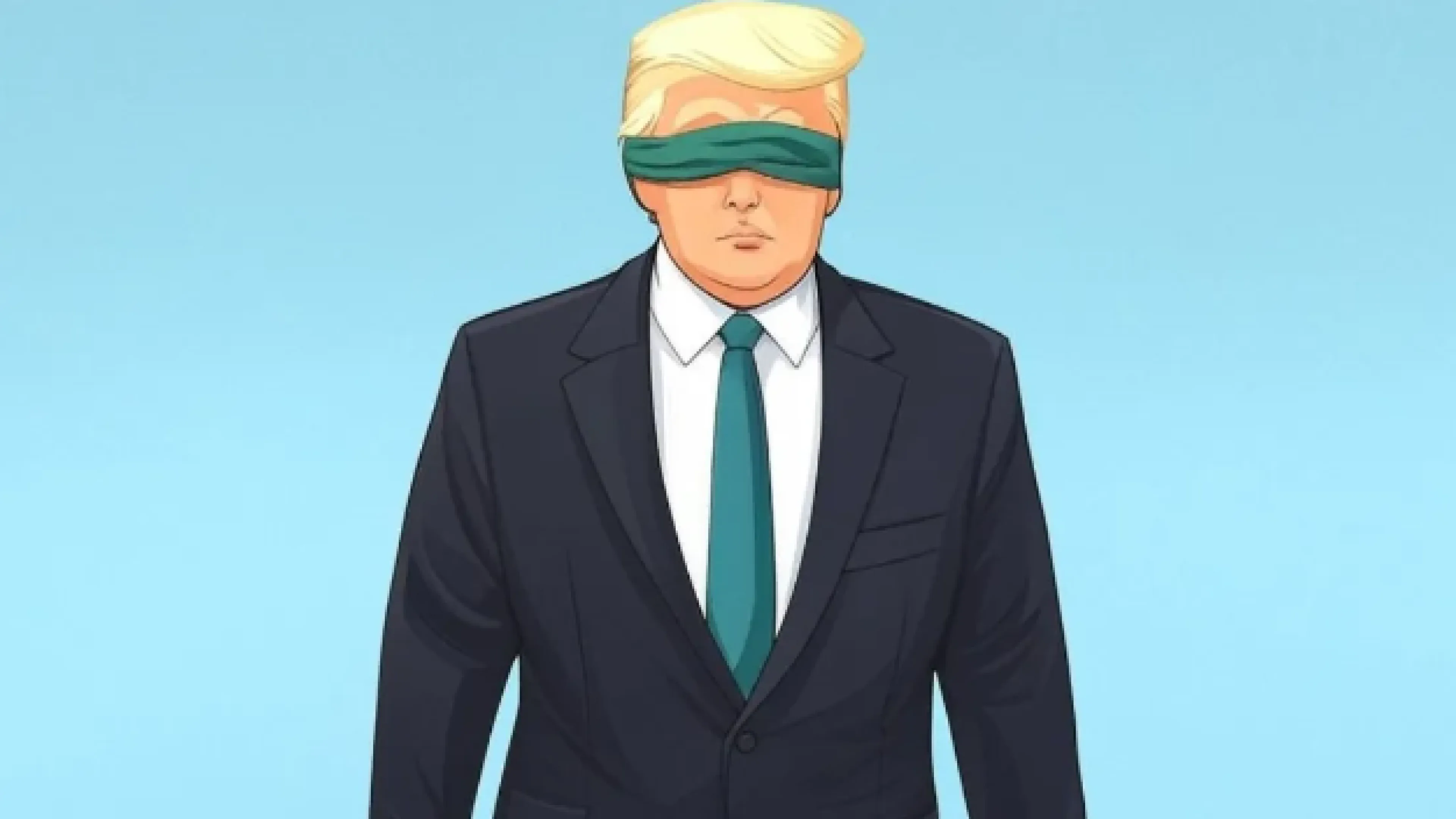
Hell of a time to be flying blind.
U.S. health agencies are under a communications and spending freeze, halting action on H5N1, Marburg, clade 1b mpox, and alerts from the CDC, FDA, and NIH.
Why it’s important: The tone and scope of the Trump administration’s directive signals an unprecedented centralization of control over federal health and science agencies.
Amid the blackout, the government’s reproductive care website went dark, and guidance on assembling representative gender and ethnicity samples for drug trials has been scrubbed from the FDA’s site. Unverified accounts say rural hospitals aren’t permitted to fill vacant staff positions or obtain medical supplies. The edict has also severely disrupted federally-funded research. Last year, Canadian researchers received US$41 million in NIH funding.
Read more…

Trump-appointee wants Alberta to stop using COVID vaccines
An Alberta government task force recommends stopping the use of COVID-19 vaccines. Responsibility for purchasing the shots transferred from the federal government to provinces this month.
Why it’s important: Among the task force’s panelists was Trump’s pick to lead the NIH, Jay Bhattacharya, an economist with no clinical experience who seems poised to steer health policy in a Canadian province.
The report also proposes liberalizing access to the antiparasitic drugs ivermectin and hydroxychloroquine to treat the SARS-CoV-2 virus. Health Minister Adriana LaGrange said no policy changes have been made, yet. Next door, Saskatchewan's Ministry of Health wouldn’t say if it plans to procure COVID vaccines for future campaigns.
Read more…

US drops case against doctor who leaked trans patients’ data to ‘anti-woke’ activist
U.S. federal prosecutors dismissed charges against Dr. Eithan Haim, a Texas surgeon who admitted to leaking patient data to an anti-trans activist.
Why it’s important: With new executive orders from Trump targeting LGBTQ protections, this is a concrete sign of things to come.
Haim reactivated a dormant login at Texas Children’s Hospital to access records on patients not under his care, then shared them with a well-connected think tank. The leak fueled political debates over gender-affirming care, which was subsequently banned in Texas for minors. Before the dismissal, Haim faced up to 10 years in prison and a $250,000 fine.
Read more…
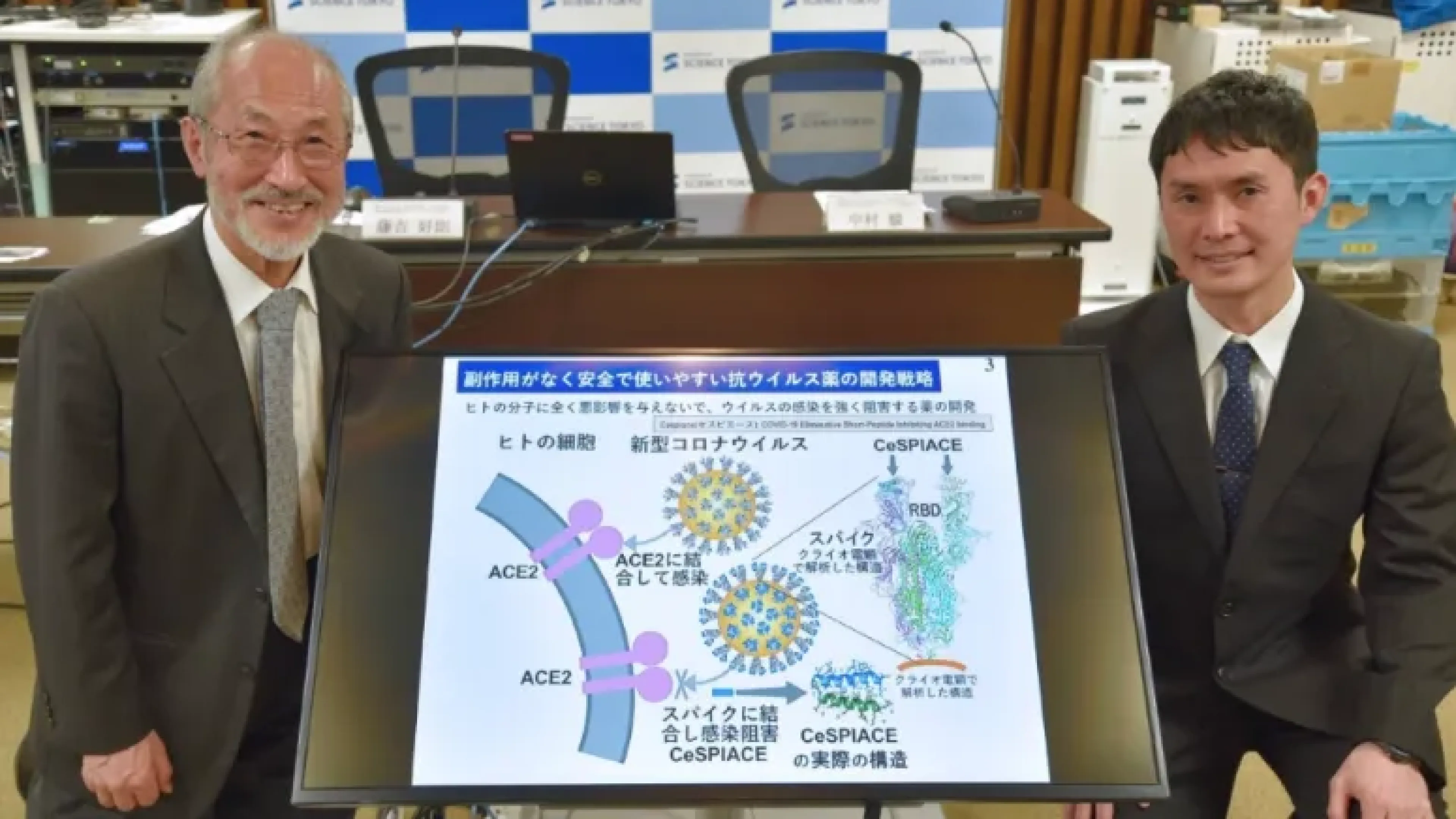
Japanese researchers made a cheap drug to prevent COVID
Scientists developed a synthetic protein that binds selectively to the SARS-CoV-2 spike protein, stopping the virus from infecting human cells.
Why it’s important: The peptide, which is apparently easy to make, blocks the virus from binding to ACE2 receptors, rendering it inert, in theory.
Early experiments show effectiveness against multiple strains in human cell samples and animals. The researchers are keen to start clinical trials and to re-tool the technology to target other viruses. Stored as a powder, the drug is stable at room temperature. With UK researchers developing a fingerprick test to identify long COVID, it’s a big week for everyone’s favourite virus.
Read more…
Emergency contraceptive could replace abortion pill: study
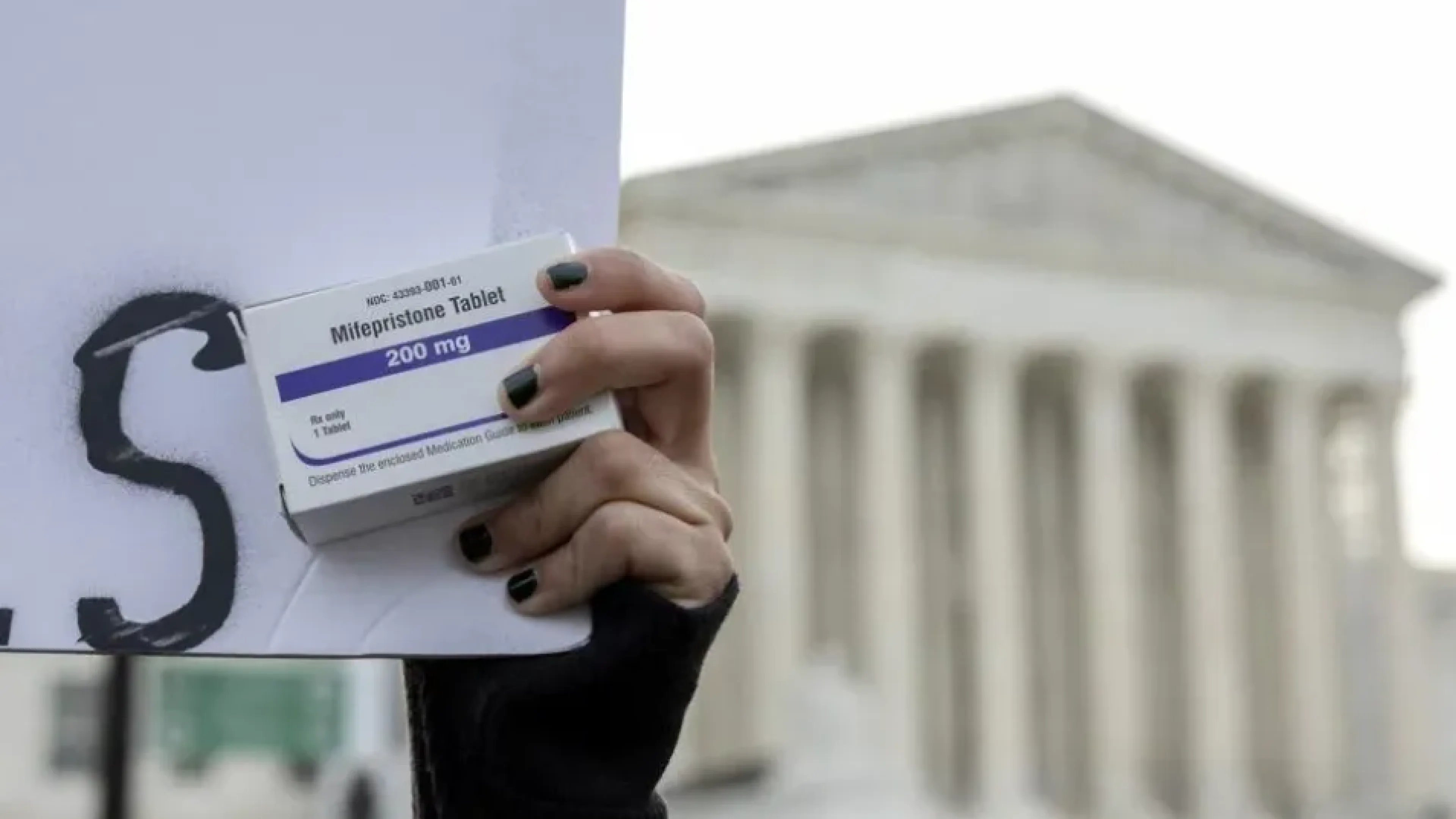
A new study suggests ulipristal acetate, the active ingredient in the emergency contraceptive Ella, could be repurposed as an abortion drug at higher doses.
Why it’s important: With mifepristone facing legal challenges in several states, this offers a possible alternative for medical abortions.
In a trial involving 133 women, a 60 mg dose of ulipristal followed by misoprostol matched the success rate of mifepristone-misoprostol. Experts say more research is needed before ulipristal can be prescribed for abortions, but the findings point to a potential backup in places where mifepristone isn’t accessible. This will likely make emergency contraception a new target for anti-abortion activism.
Read more…
Trump pulled out of the WHO. Here’s why that’s bad.
Trump’s withdrawal from the WHO ends 75 years of U.S. participation, cuts the WHO’s budget by at least 15 per cent, and weakens global health at a time of rising threats.
Why it’s important: H5N1, polio, mpox, measles, “COVID-26.” Any of these could become a very big problem. If they do, any dollars saved will be spent a thousandfold. Less than 0.1 per cent of the U.S. federal budget currently goes to the WHO.
The withdrawal, set for Jan. 2026, is in keeping with Project 2025’s targeting of international organizations. Dark money groups pushed for the exit, citing claims of corruption and anti-American bias. This week, the WHO started announcing cuts, as it braces for impact.
Read more…